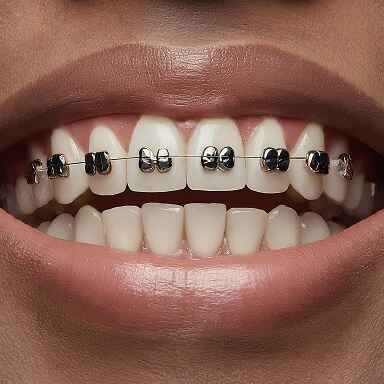
Dental braces are used to treat bite problems and misaligned teeth. They function by gradually moving teeth into the proper locations by providing constant pressure over time.
Importance of Braces in Achieving Dental Health and Aesthetics
Orthodontic braces are more than just a tool for straightening teeth; they play a crucial role in both improving dental health and enhancing overall appearance. Here’s why they’re so important:
#1 Improved Oral Health
Better Cleaning
When teeth are not positioned correctly, plaque can accumulate in hard-to-reach places, increasing the risk of cavities and gum disease. Braces straighten teeth, which facilitates efficient brushing and flossing.
Preventing Wear and Tear
Teeth that are positioned correctly divide bite forces equally, which lowers the possibility of certain teeth experiencing excessive wear and tear. By doing this, issues like tooth fractures and enamel erosion can be avoided.
Minimization of Jaw Stress
An uneven bite resulting from misalignment can cause jaw pain and temporomandibular joint (TMJ) disorders. Braces assist in adjusting the bite, reducing jaw stress on the jaw
#2 Aesthetic Improvement:
Enhanced Smile
Straightening crooked or crowded teeth can significantly improve the appearance of your smile, which will increase your confidence and make you feel more at ease in social and professional situations.
Face Symmetry
A more harmonic and balanced face appearance can be achieved by having your teeth aligned properly. This can positively affect how others perceive you and how you perceive yourself.
#3 Functional Benefits:
Improved Chewing
The way you chew food might be impacted by misaligned teeth. Braces aid in appropriate tooth alignment, which enhances digestion and chewing efficiency.
Better Speech
Misaligned or crooked teeth can occasionally cause problems with speech patterns. Straightening the teeth can help improve clarity and articulation.
Components of braces
- Brackets: Small metal or ceramic pieces attached to the front of each tooth.
- Archwire: A thin wire that connects the brackets and guides the movement of the teeth.
- Ligatures: Small elastic bands or wires that hold the archwire in place.
- Bands: Metal rings placed around the back teeth to anchor the braces.
Types of Orthodontic Braces
Traditional Metal Braces
Traditional metal braces are an orthodontic treatment using metal brackets and wires to straighten teeth. These brackets serve as anchor points for the archwire, which applies pressure to teeth. Small elastic bands or metal ties hold the archwire in place, and metal rings around the back molars provide additional support and anchorage.
Pros of metal braces
- Metal braces can address a wide range of orthodontic issues, from severe misalignments to complex bite problems, making them suitable for diverse treatment needs.
- Made from high-grade stainless steel, metal braces are strong and resistant to damage, ensuring they can withstand the pressures of daily use.
- Generally more affordable than ceramic braces or clear aligners, making them a cost-effective option for many patients.
- With decades of successful use, metal braces have a long history of effectively achieving desired orthodontic outcomes.
- Unlike clear aligners, which require patients to consistently wear and manage removable trays, metal braces are fixed in place, ensuring continuous treatment without reliance on patient compliance.
- Offers predictable and consistent results due to the controlled application of pressure to move teeth into alignment.
Cons of metal braces
- Metal braces are more noticeable than ceramic braces or clear aligners, which can be a concern for those seeking a less visible treatment option.
- They can cause initial discomfort and irritation to the mouth, including sore spots on the inside of the cheeks and gums. Adjustments can also cause temporary discomfort.
- Certain foods, such as sticky, hard, or chewy items, can damage the braces or get trapped in the brackets and wires, requiring dietary modifications.
- Brushing and flossing can be more challenging with metal braces, as food particles and plaque can accumulate around the brackets and wires. Special cleaning tools may be needed to maintain oral hygiene.
- The overall treatment time can be longer compared to some other options, typically ranging from 18 to 36 months, depending on the complexity of the case.
- Regular orthodontic visits are required for adjustments and maintenance, which can be time-consuming and may require frequent trips to the orthodontist.
- The brackets and wires can become damaged or dislodged, leading to additional visits to the orthodontist for repairs and adjustment
Ceramic Braces
Ceramic braces use brackets made from a tooth-colored or clear ceramic material, which blends with the natural color of your teeth. This makes them less conspicuous compared to metal brackets. They are durable and designed to withstand the forces of orthodontic treatment. The wires used with ceramic braces can be either metal or tooth-colored to further reduce visibility. Some options include clear or white-coated wires. The combination of ceramic brackets and less noticeable wires creates a more discreet appearance, making ceramic braces a popular choice for individuals who are concerned about the aesthetic impact of traditional braces.
Pros of ceramic braces
- Aesthetic Appeal: Ceramic braces are designed to be less noticeable than metal braces. The tooth-colored or clear ceramic brackets blend with the natural color of your teeth, making them more discreet.
- Comfort: The smooth surface of ceramic brackets tends to be gentler on the gums and cheeks compared to metal braces, reducing the likelihood of irritation.
- Effective Treatment: Ceramic braces are as effective as metal braces in correcting a wide range of orthodontic issues, including crowding, spacing, and misalignment.
- Stain Resistance: The ceramic material is generally stain-resistant, though the clear elastic ties might occasionally pick up discoloration. Regular maintenance helps to minimize this.
- Improved Confidence: The more aesthetic appearance of ceramic braces can lead to increased confidence during treatment, particularly for those who are concerned about the appearance of traditional metal braces.
Cons of ceramic braces
- Cost: Ceramic braces are generally more expensive than traditional metal braces due to the cost of the materials and manufacturing.
- Durability: Ceramic brackets are more prone to chipping or cracking compared to metal brackets. Although they are strong, they can be more fragile.
- Size and Bulkiness: Ceramic braces can be bulkier than metal braces, which might make them feel less comfortable for some people.
- Staining: While the ceramic material itself is stain-resistant, the clear or white elastic ties used with ceramic braces can stain over time, requiring more frequent adjustments or changes to maintain a clean appearance.
- Treatment Time: In some cases, ceramic braces might take slightly longer to achieve the desired results compared to metal braces, although this difference is usually minimal.
- Difficulty in Cleaning: Due to the brackets’ size and placement, ceramic braces can be more challenging to clean thoroughly, which might increase the risk of plaque buildup and potential tooth decay if not maintained properly.
Lingual Braces
In this type, the braces are placed on the back side(lingual side) of the teeth rather than the front. These brackets are custom-made to fit the unique shape of your teeth and are generally made of metal and are adjusted periodically to move the teeth into alignment.
Pros of lingual braces
- Invisible Appearance: Since the braces are hidden on the inside of the teeth, there is no visible metal work on the front of the teeth, which can be a major benefit for individuals who prefer a discreet orthodontic solution.
- Effective Treatment: Like traditional braces, lingual braces are effective in treating a wide range of orthodontic issues, including crooked teeth, gaps, and bite problems.
- Custom Fit: Lingual braces are custom-made for each patient. This customization ensures a precise fit and can potentially improve the effectiveness of the treatment.
Cons of lingual braces
Lingual braces have some drawbacks that are important to consider:
- Comfort: Lingual braces can be less comfortable initially. They might cause irritation or soreness to the tongue and the inside of the mouth, especially during the early stages of treatment.
- Speech Issues: Patients may experience difficulty with speech and may have a temporary lisp while adjusting to the presence of the braces on the back of their teeth.
- Cleaning and Maintenance: Keeping lingual braces clean can be challenging due to their position on the back of the teeth. This can make it more difficult to maintain oral hygiene and might increase the risk of plaque buildup and tooth decay if not managed properly.
- Cost: Lingual braces are often more expensive than traditional metal braces and ceramic braces due to the custom fabrication and specialized skill required for their placement.
- Treatment Complexity: Lingual braces can be more complex to adjust and might require more frequent visits to the orthodontist. The treatment process can be more intricate, which may increase the time and cost involved.
- Limited Space: The space available on the back of the teeth is smaller compared to the front, which can sometimes make the brackets and wires slightly bulkier and harder to accommodate.
Self-ligating braces
Self-ligating braces are a type of orthodontic treatment that uses a unique bracket system to hold the archwire in place. The key feature of self-ligating braces is their use of a sliding or spring-loaded mechanism within the bracket to secure the archwire. This eliminates the need for the traditional elastic or metal ligatures used in conventional braces.
Pros of self-ligating braces
- Comfort: Self-ligating braces are designed to reduce friction and pressure on the teeth, which can lead to less discomfort and fewer adjustments compared to traditional braces.
- Fewer Adjustments: The self-ligating mechanism often requires fewer adjustments because the brackets are designed to work with the archwire more efficiently.
- Aesthetic Options: Self-ligating braces are available in both metal and ceramic options. Ceramic self-ligating braces can be more discreet, while metal ones are often more durable.
- Improved Oral Hygiene: Since self-ligating braces don’t use elastic ties, there are fewer places for plaque and food particles to accumulate, which can make oral hygiene easier to maintain.
Cons of self-ligating braces
- Cost: Self-ligating braces are generally more expensive than traditional braces due to their advanced technology and design.
- Complexity: The self-ligating mechanism can be more complex, requiring specialized skills for adjustments and installation. This may limit availability to orthodontists who are trained in this specific system.
- Limited Aesthetic Options: While ceramic self-ligating braces are available, the metal versions can still be visible, which might not be ideal for those seeking a highly discreet treatment option.
- Long-Term Efficacy: Although self-ligating braces are designed to move teeth more efficiently, there is limited long-term data compared to traditional braces, so their overall effectiveness and longevity in comparison might still be a consideration.
Clear Aligners
Clear aligners are made from a transparent, BPA-free plastic material. Clear aligners are created using 3D scanning and imaging technology, allowing for a precise, custom fit. This technology maps out the treatment plan and the series of aligners needed. Each aligner is designed to move your teeth gradually into the desired position.
Pros of clear aligners
- Discreet Appearance: The clear plastic aligners are nearly invisible, making them a popular choice for those who want a less noticeable orthodontic option.
- Removable: Aligners can be easily removed for eating, drinking, brushing, and flossing. This flexibility allows for better oral hygiene and the freedom to enjoy a wider range of foods compared to traditional braces.
- Comfort: The smooth plastic material of clear aligners is generally more comfortable than metal braces, as it reduces the risk of irritation to the gums and the inside of the mouth.
- Custom Fit: Clear aligners are custom-made using advanced 3D imaging technology, which ensures a precise fit and tailored treatment plan based on your specific needs.
- Fewer Adjustments: Unlike traditional braces, which require periodic adjustments and tightening, clear aligners are replaced with new sets approximately every one to two weeks, reducing the number of visits to the orthodontist.
- Predictable Results: The treatment process is often mapped out in advance, allowing you to see the projected outcome before starting and track your progress throughout the treatment.
- Convenience: The removable nature of aligners makes them convenient for special occasions or professional settings where you might prefer to take them out temporarily
Cons of clear aligners
While clear aligners have many advantages, they also come with some drawbacks:
- Compliance Required: Clear aligners must be worn for 20-22 hours per day to be effective. If they are not worn as instructed, the treatment may be delayed or less effective.
- Limited Applicability: Clear aligners may not be suitable for all orthodontic cases, especially more complex issues like severe misalignment or significant bite problems. Traditional braces or other treatments might be needed in such cases.
- Cost: Clear aligners can be more expensive than traditional metal braces, which might make them less accessible for some patients.
- Maintenance: Aligners need to be cleaned regularly to prevent staining and odor. Failure to maintain them properly can affect their appearance and effectiveness.
- Initial Discomfort: Some users may experience temporary discomfort or a feeling of pressure as the aligners work to move the teeth, especially when switching to a new set of aligners.
- Speech Impediment: While generally minor, some people may experience a temporary lisp or slight changes in speech while adjusting to wearing the aligners.
- Risk of Misplacement: Because they are removable, there is a risk of losing or misplacing the aligners if they are not stored properly.
How Braces Work
Braces work by applying continuous, gentle pressure to teeth over time, gradually moving them into their desired positions. The system consists of metal or ceramic brackets bonded to each tooth, connected by archwires that are adjusted periodically. The brackets hold the archwires in place, which guide the movement of the teeth. As the archwires exert pressure, the brackets help in aligning and straightening the teeth, correcting issues like misalignment, crowding, and gaps. Regular adjustments by an orthodontist ensure that the braces continue to effectively move the teeth throughout the treatment process.
What are the normal side effects of dental braces
- It’s common to experience soreness or discomfort in the teeth and gums, particularly after the braces are first applied or after adjustments.
- The brackets and wires can cause irritation or sores on the inside of the cheeks, lips, or gums.
- Adjusting to braces can make eating certain foods uncomfortable or challenging, especially hard or sticky foods.
- Some people may experience a temporary lisp or difficulty speaking clearly as they adjust to the braces.
- Braces can make it harder to clean teeth thoroughly, which may lead to increased plaque buildup and a higher risk of tooth decay or gum disease if oral hygiene is not maintained.
- The brackets and wires can sometimes cause small mouth ulcers or canker sores due to friction.
How should I care for my braces
- Brush your teeth at least twice a day with a fluoride toothpaste and use a soft-bristled toothbrush. Floss daily, using special floss or floss threaders designed for braces to clean between the teeth and around the brackets.
- Consider using interdental brushes or special orthodontic cleaning devices to reach areas that are difficult to clean with a regular toothbrush.
- Steer clear of sticky, hard, or chewy foods that can damage the brackets or wires. This includes gum, candy, popcorn, and hard nuts.
- Use an antibacterial mouthwash to help reduce plaque buildup and maintain oral hygiene.
- Attend all scheduled appointments with your orthodontist for adjustments and check-ups to ensure your braces are functioning correctly. If you experience any issues such as loose brackets or wires, contact your orthodontist promptly for repairs.
- If you play sports or engage in activities that could impact your mouth, consider wearing a mouth guard to protect your braces and teeth.
How long do braces take to work
Braces usually begin to show noticeable results within a few months of starting treatment. However, the overall duration of treatment varies depending on the complexity of the case. For most people, it can take anywhere from 18 to 24 months to achieve the desired results. The exact length of time will depend on factors such as the severity of the orthodontic issues, the type of braces used, and how well the patient follows their orthodontist’s recommendations. Regular adjustments and proper care are essential for achieving the best outcome in the shortest time possible.
How to maintain my results after braces
Maintaining the results after braces is crucial to ensure that your teeth stay in their new positions.

Wearing retainers is required to maintain this outcome. Retainers are designed to keep your teeth from shifting back to their original positions and may need to be worn full-time initially, then gradually reduced to part-time or nighttime wear.
Schedule regular visits with your orthodontist to monitor your teeth and ensure the retainers are working as expected. Steer clear of habits that can negatively impact your teeth, such as chewing on hard objects or grinding your teeth.
Common Misconceptions
There are a number of widespread myths regarding braces. These are a handful:
Braces Are Just for Kids
Contrary to popular belief, adults can also benefit from orthodontic treatment. Braces are not just for kids or teenagers. All ages can use modern aligners and braces.
Braces Are Painful
Although they don’t usually hurt, braces can be uncomfortable at times, particularly after adjustments. Most people eventually get used to wearing braces, and the initial discomfort usually goes away in a few days.
Braces Only Straighten Teeth
Braces can address bite difficulties, spacing issues, and misalignment of the jaw in addition to straightening teeth. The overall health and function of the teeth are improved by this extensive therapy.
You Can’t Eat Certain Foods with Braces
While some foods should be avoided to prevent damage to the braces, such as sticky or hard foods, most foods can be enjoyed with braces as long as they are cut into smaller pieces and consumed carefully.
Understanding these misconceptions helps set realistic expectations and ensures that individuals considering braces are well-informed about the treatment process.
Summary
Dental braces are orthodontic devices used to correct misaligned teeth and improve dental function and appearance. They consist of brackets attached to the teeth, connected by wires that apply gentle pressure to move teeth into the desired position. Braces can be made of metal, ceramic, or other materials and are adjusted periodically by an orthodontist. The treatment typically lasts between 18 to 24 months, depending on the severity of the dental issues. Common side effects include discomfort, irritation, and difficulty with oral hygiene. After braces are removed, retainers are used to maintain the new tooth positions and prevent relapse.
FAQs
What is the age limit for braces?
There is no strict age limit for braces. Orthodontic treatment can be effective at any age, from young children to older adults.
What is the best age for orthodontic braces?
Between the ages 10 and 14 is considered as the best age for orthodontic braces because most of their permanent teeth have erupted, the growth of the jaw and teeth is more predictable, making it easier to achieve desired results.
How long do orthodontic braces last?
Most people wear braces for about 18 to 24 months. This timeframe can vary depending on the complexity of the dental issues being addressed. For more severe orthodontic problems, treatment may extend beyond 24 months, potentially lasting up to 36 months or more.
Can braces change the shape of the face?
A more symmetrical facial profile can be achieved by straightening teeth and correcting bite problems. Braces can help realign the jaws, which may improve the symmetry of the face and reduce the appearance of a protruding or receding jaw.
You might also be interested in:
- How to Stop Mouth breathing in children
- 10 Essential Dental Care Tips for a Healthy Smile
- How to get rid of bad breath?
- How to prevent Tooth Decay in Children
- How to use Flouride to prevent tooth decay
- Causes and treatment for loose tooth
- Gum disease – causes and treatment
- Brushing techniques for better oral hygiene
- Interdental devices for better oral hygiene
- How to treat teeth sensitivity
- How to choose the right tooth brush?
- Choosing the right tooth paste for healthier teeth
- Causes, treatment and prevention of bleeding gums
- Vitamins and Minerals for better oral health
- The Ultimate Guide to Teeth Whitening