Dental trauma can affect individuals of all ages, from young children to adults. Young children learning to walk or exploring their surroundings are particularly prone to anterior tooth injuries due to falls or accidents.
Teenagers and young adults often face dental injuries from sports accidents, fights, and other high-risk activities, where using protective gear like mouthguards can be beneficial. For adults, automobile accidents are a common cause of dental trauma, requiring immediate dental care to address issues like knocked-out tooth also known as avulsed tooth effectively.
When a tooth is knocked out, quick and correct action is crucial to maximizing the chances of saving the tooth and ensuring a successful recovery.
How to Handle a Knocked-Out Tooth: Act Quickly for Best Results
#1 Retrieve the Tooth Quickly
- Find the Tooth: As soon as the tooth is knocked out, locate it. Time is crucial for maximizing the chances of saving the tooth.
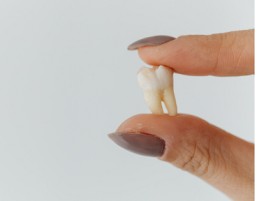
- Handle with Care: Pick up the tooth by the crown—the part that’s visible in the mouth. Avoid touching the root to prevent damage to periodontal ligament which are necessary for proper healing .
#2 Clean the Tooth Gently
- Rinse Carefully: If the tooth is dirty, rinse it under lukewarm water. Do not use soap, chemicals, or scrubbing. Rinsing helps remove debris but does not remove important cells from the root.
- Avoid Drying: Ensure the tooth does not dry out. Keeping it moist is crucial for the best chance of reimplantation.
#3 Reinsert the tooth into the socket
Hold the tooth by the crown and carefully position it in the socket. Ensure it is aligned with the empty space. Gently push the tooth back into its socket. It should fit naturally if aligned correctly. Bite down gently on a clean cloth or gauze to keep the tooth in place
What to Do if You Can’t Reinsert the Tooth
- If reinsertion is not possible, place the tooth between your gums and cheek. This keeps the tooth moist and close to body temperature, which can help preserve it. Take care not to swallow the tooth while storing it in your mouth.
- If storing the tooth in your mouth is not feasible, store it in a container with a small amount of milk. Milk is preferred because it has a similar pH to the mouth and contains essential nutrients, such as proteins and minerals, that can help keep the root surface of the tooth viable.
- Alternatively, you can use a saline solution or coconut water. Do not store the tooth in plain water, as it can damage the tooth’s root.
Seek Immediate Dental Care
- Whether the tooth is reinserted or stored in milk, reach out to a dentist or emergency dental clinic immediately. The sooner you get professional help, the better the chances of saving the tooth.
- Take the tooth with you in the container with milk or saline. The dentist will need to assess the tooth to determine whether it is suitable for reimplantation.
- If the tooth is deemed suitable for reimplantation, it will likely be splinted to the adjacent teeth for two to eight weeks to stabilize it. During this period, a root canal procedure may be necessary to ensure the tooth’s long-term survival and health.
- There remains a good survival rate for the tooth if it has been stored properly, especially within five to 60 minutes of the injury.
How to protect your teeth from injury
Use a mouthguard during contact sports, such as football, hockey, or basketball. Custom-fitted mouthguards provide the best protection by cushioning impacts and reducing the risk of dental injuries.
For activities like biking, skateboarding, or construction work, wear a helmet with a face guard or a full-face shield to protect your teeth from impacts and accidents.
Conclusion
Although having a tooth knocked out can be frightening, there are ways to manage the situation that can really help. Retrieving the tooth, gently cleaning it, preserving it, and seeking emergency dental care all increase the likelihood of saving the tooth and guaranteeing a full recovery if you act promptly and appropriately. Always keep in mind that time is of the essence in dental emergencies, so don’t wait to get expert assistance.
FAQs
What is a knocked-out tooth?
A knocked-out tooth also known as avulsed tooth, is a dental emergency where a tooth is completely dislodged from its socket in the jaw. This can occur due to trauma or injury, such as from an accident, sports injury, or fall.
Can a knocked-out tooth be fixed?
Yes, knocked-out teeth can often be fixed, especially if prompt action is taken. The success of reimplanting a knocked-out tooth depends on several factors, including how quickly treatment is sought and how the tooth is handled and stored.
Is a knocked-out tooth painful?
A knocked-out tooth can be painful due to the trauma, exposure of nerves, and potential infection risk. Immediate pain relief can be managed with over-the-counter painkillers and a cold compress.
What happens if your teeth get knocked loose?
If your teeth get knocked loose, they may become wobbly and cause pain. Immediate steps include stabilizing the tooth with a clean cloth and avoiding further movement. Seek dental care promptly to assess and treat the injury, which may involve splinting the tooth or addressing damage to surrounding tissues.
What happens if a 2 year old knocks out a tooth?
If a 2-year-old knocks out a tooth, it’s usually a primary (baby) tooth. While less critical for long-term health, the child may experience discomfort. It’s important to visit a pediatric dentist to check for any damage and ensure proper healing.
Can teeth tighten back up?
A loose tooth, especially a permanent one, may tighten back up with proper dental treatment. If the tooth is damaged or knocked loose, a dentist may use splinting or other methods to stabilize it and promote healing.
You might also be interested in:
- How to Stop Mouth breathing in children
- 10 Essential Dental Care Tips for a Healthy Smile
- How to get rid of bad breath?
- How to prevent Tooth Decay in Children
- How to use Flouride to prevent tooth decay
- Causes and treatment for loose tooth
- Gum disease – causes and treatment
- Brushing techniques for better oral hygiene
- Interdental devices for better oral hygiene
- How to treat teeth sensitivity
- How to choose the right tooth brush?
- Choosing the right tooth paste for healthier teeth
- Causes, treatment and prevention of bleeding gums
- Vitamins and Minerals for better oral health
- The Ultimate Guide to Teeth Whitening