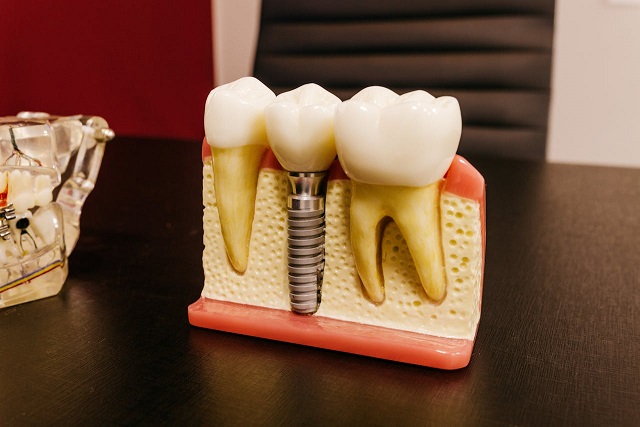
Dental crowns are a versatile and essential component of restorative dentistry. They serve to protect, strengthen, and enhance the health and appearance of teeth that are compromised by damage, decay, or other issues. A dental crown is essentially a tooth-shaped cap that fits over a tooth, restoring its shape, size, and functionality.
Why Are Dental Crowns Needed?
Here are some common reasons why a dental crown may be recommended:
1. Restoring Weakened or Damaged Teeth
Cracked or Broken Teeth: Crowns are used to stabilize and strengthen teeth that have been cracked or broken due to trauma, biting hard objects, or other factors. By covering the entire tooth, a crown helps prevent further damage and maintains the tooth’s functionality.
2. Protecting Teeth After a Root Canal
Root Canal Treatment: Teeth that have undergone a root canal procedure can become more fragile and susceptible to damage. A crown is placed over the tooth to protect it from fractures and restore its strength, ensuring long-term durability.
3. Supporting Large Fillings
Extensive Decay or Fillings: When a tooth has a large filling or has been significantly decayed, the remaining tooth structure can be weakened. A crown helps reinforce the tooth and prevent it from breaking under the stress of chewing.
4. Enhancing Aesthetics
Discolored or Misshapen Teeth: Crowns can improve the appearance of teeth that are severely stained, discolored, or misshapen. By covering the entire tooth with a crown, dentists can enhance its color, shape, and overall look.
5. Securing Dental Bridges
Dental Bridges: Crowns are often used as anchors in dental bridges. A bridge is a prosthetic device used to replace missing teeth, and the crowns provide a secure base to hold the bridge in place.
6. Covering Dental Implants
Dental Implants: Crowns are placed on dental implants to complete the restoration process. The implant serves as a replacement root, and the crown acts as the visible tooth, providing a natural-looking and functional replacement.
7. Protecting Vulnerable Teeth
Wear and Tear: Teeth that are worn down due to grinding or other forms of wear may need crowns to restore their function and protect them from further damage.
Types of Dental Crowns
There are several types of dental crowns, each made from different materials. The choice of material depends on factors such as the location of the tooth, the patient’s preference, and the intended use of the crown.
#1 Metal Crowns:
Metal crowns are dental restorations made from metal alloys designed to cover and protect a damaged or weakened tooth. They are custom-made to fit over the entire tooth, providing strength and resilience and known for its durability. They are made from various metals, including gold, platinum, and other alloys.
Advantages of metal crowns:
- Metal crowns are highly durable and can withstand significant chewing forces, making them an excellent choice for back teeth that endure heavy pressure.
- They tend to last longer than other types of crowns, often remaining intact for many years with proper care.
- Metal crowns require less removal of natural tooth structure compared to other types of crowns, preserving more of the original tooth.
- Due to their strength, metal crowns are less likely to chip or crack, providing reliable protection for the underlying tooth.
- Metal crowns are less abrasive to adjacent teeth, reducing the risk of wear on the opposing dental surfaces.
Drawbacks:
- The primary drawback of metal crowns is their appearance. They have a metallic color that is not suitable for visible teeth, making them less ideal for front teeth.
- Some individuals may have allergic reactions to certain metals used in the crowns, such as nickel. It’s important to discuss any known allergies with your dentist.
- Metal crowns may sometimes cause a dark line at the gum line, particularly if the crown is placed on a tooth with significant gum recession.
#2 Porcelain Crowns or All-Ceramic Crowns:
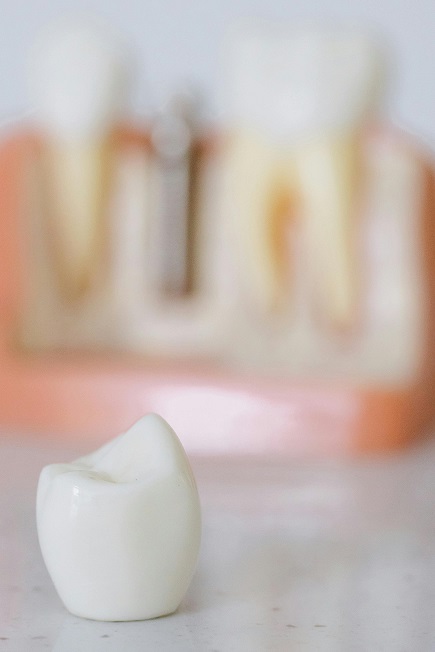
Porcelain crowns are dental restorations made entirely from porcelain or ceramic materials. They are designed to cover a tooth, providing strength and protection while also blending seamlessly with the natural teeth.
Advantages of Porcelain Crowns
- Porcelain crowns are highly valued for their ability to mimic the translucency and color of natural tooth enamel. They blend well with surrounding teeth, making them an ideal choice for visible areas. The ability to match the color and shape of the crown to the patient’s natural teeth ensures a seamless integration into the smile.
- Porcelain is resistant to staining from foods and beverages, helping the crown maintain its appearance over time.
- While not as strong as metal crowns, modern porcelain crowns, especially those made from zirconia, offer good durability and can withstand normal chewing forces.
Considerations and Drawbacks
- Porcelain crowns can be more prone to chipping or cracking compared to metal crowns, particularly if subjected to excessive force or if the material is thin.
- Porcelain crowns can be abrasive to opposing teeth, which may lead to wear over time. This is particularly relevant if the opposing teeth are not protected.
- Porcelain crowns can be more expensive than some other types of crowns, such as metal or resin crowns or porcelain-fused-to-metal crowns. However, their aesthetic benefits often justify the cost.
- Some patients may experience increased sensitivity to temperature changes following the placement of a porcelain crown, although this is typically temporary.
#3 Porcelain-Fused-to-Metal Crowns:
Porcelain-Fused-to-Metal (PFM) crowns are a popular type of dental crown that combines the strength of metal with the aesthetic appeal of porcelain. PFM crowns consist of a metal base covered with a layer of porcelain. The metal provides durability and strength, while the porcelain offers a natural-looking appearance that can be matched to the color of the surrounding teeth.
Advantages of Porcelain-Fused-to-Metal Crowns
- The metal base of PFM crowns provides excellent strength and can withstand significant chewing forces. This makes them suitable for both front and back teeth.
- The porcelain layer can be color-matched to the natural teeth, making PFM crowns a good choice for visible areas where appearance is important. They offer a more natural look compared to full metal crowns.
- The combination of metal and porcelain allows for a custom fit and appearance, tailored to the specific needs of the patient.
Considerations and Drawbacks
- Over time, the porcelain layer may chip or crack, exposing the metal layer underneath.
- The porcelain surface can be abrasive to the opposing teeth, potentially leading to enamel wear if the opposing teeth are not properly protected.
- A dark line may become visible at the gum line, particularly if the gums recede or if there is significant tooth wear. This is due to the metal base being visible through the porcelain.
- PFM crowns tend to be more expensive than some other types of crowns, such as resin crowns. However, they are less expensive than all-ceramic crowns.
#4 Resin Crowns
They are made from composite resin, a material that combines plastic with fine ceramic particles. They are known for their affordability and ease of use but come with certain limitations compared to other types of crown and generally used as a temporary solution.
Advantages of Resin Crowns
- Resin crowns are generally less expensive than other types of crowns, such as porcelain or metal crowns, making them a cost-effective option for many patients.
- Composite resin can be easily color-matched to the natural teeth, offering a relatively good aesthetic result. This makes resin crowns a suitable option for visible teeth, especially when cost is a major consideration.
- Resin crowns can be placed quickly and are often used as temporary solutions while a more permanent restoration is being prepared.
- The application of resin crowns often requires less removal of natural tooth structure compared to some other types of crowns.
Considerations and Drawbacks
Resin crowns are less durable than metal or porcelain crowns. They are more prone to wear and tear, chipping, and cracking, especially under heavy chewing forces.
- Composite resin crowns can absorb stains from foods and beverages over time, which may affect their appearance.
- Due to their material properties, resin crowns typically have a shorter lifespan compared to porcelain or metal crowns. They may need to be replaced more frequently.
- Resin crowns can be more susceptible to fractures or damage, particularly if the patient has a habit of grinding or clenching their teeth.
- While resin crowns can be color-matched to natural teeth, they may not always provide the same level of translucency and natural appearance as porcelain crowns.
#5 Zirconia Crowns
They are made from zirconium dioxide, a type of ceramic and known for their strength and resistance to wear and fractures.
Advantages:
- Zirconia crowns are very strong and can withstand significant pressure, making them ideal for back teeth.
- They have a natural-looking appearance and can be color-matched to your surrounding teeth, providing a more seamless blend compared to some other types of crowns.
- Zirconia is highly biocompatible, meaning it’s unlikely to cause allergic reactions or irritate surrounding tissues.
- Unlike metal crowns, zirconia crowns don’t tend to cause wear on opposing teeth.
Considerations and drawbacks
- Zirconia crowns are more expensive than metal crowns or porcelain-fused-to-metal crowns.
- The preparation for this crown may require more tooth structure to be removed compared to other crowns.
- Although they are highly aesthetic, perfect shade matching can be more challenging than porcelain crowns.
What are the steps involved in the dental crown procedure
1. Initial Consultation and Examination
The process begins with a consultation where the dentist evaluates the condition of your tooth and discusses your options. They may take X-rays to assess the tooth’s health and the surrounding bone structure. Based on the assessment, the dentist will recommend the appropriate type of crown and plan the procedure.
2. Tooth Preparation
To ensure comfort, the dentist will administer a local anesthetic to numb the tooth and the surrounding area. The dentist will then prepare the tooth by removing a portion of the tooth’s enamel and dentin. This step creates space for the crown and ensures it will fit properly. If the tooth is severely damaged, the dentist may also build up the tooth structure with a filling material to support the crown.
3. Impressions
After shaping the tooth, the dentist will take impressions of the prepared tooth and the surrounding teeth. These impressions can be made using a putty-like material or with digital scanning technology. The impressions are sent to a dental laboratory, where a custom crown is crafted based on the molds or digital images.
4. Temporary Crown Placement
While waiting for the permanent crown to be made, a temporary crown is placed over the prepared tooth. This temporary crown helps protect the tooth and maintain its function until the permanent crown is ready. The dentist will ensure the temporary crown fits well and adjust it as necessary to ensure comfort.
5. Permanent Crown Placement
Once the permanent crown is ready (typically 1- 2 weeks after the initial visit), you will return to the dentist for the second appointment. The dentist will remove the temporary crown and check the fit, color, and shape of the permanent crown. Adjustments may be made to ensure it aligns properly with your bite. Once the crown is properly adjusted, it is permanently cemented onto the prepared tooth using strong dental adhesive or cement. The dentist will ensure that the crown is securely bonded and make any final adjustments.
6. Post-Placement Care
The dentist will provide you with instructions on how to care for your new crown. This typically includes advice on oral hygiene practices and dietary recommendations. It’s normal to experience some sensitivity or discomfort for a few days after the crown is placed. Over-the-counter pain relievers can help manage any discomfort. Maintain good oral hygiene by brushing twice a day and flossing daily. This helps keep the area around the crown clean and prevents decay. To protect your crown, avoid chewing on extremely hard or sticky foods.
A follow-up visit may be scheduled to ensure the crown is functioning correctly and to address any concerns you may have
Summary
Dental crowns are essential restorations in modern dentistry, designed to cover and protect damaged or weakened teeth. They play a crucial role in restoring the function, strength, and appearance of teeth that have been compromised due to decay, trauma, or extensive wear. Crowns can be crafted from various materials, including metal, porcelain-fused-to-metal, porcelain, and resin, each offering unique benefits and considerations. Regular dental check-ups, good oral hygiene, and following your dentist’s recommendations are key to maintaining your crown and overall dental health.
Are dental crowns a good idea?
Yes, dental crowns are a good idea for many situations. They are effective for restoring function and strength to damaged or weakened teeth, protecting a tooth after a root canal treatment. Crowns can significantly improve the longevity and health of a tooth while providing a natural-looking solution.
What are the disadvantages of crown teeth?
Dental crowns offer many benefits, there are some disadvantages to consider:
- Preparing a tooth for a crown requires the removal of some natural enamel, which can affect the tooth’s structure.
- If a crown doesn’t fit properly, it can lead to discomfort, gum irritation, or even decay under the crown.
- Some patients may experience increased sensitivity to temperature changes after crown placement.
- Crowns can chip, crack, or wear down over time, especially if made from materials like resin.
Is it painful to get a crown?
The process of getting a dental crown is generally not painful due to the use of local anesthesia. You may experience some discomfort or sensitivity after the procedure, especially to hot or cold temperatures. This discomfort is usually temporary and can be managed with over-the-counter pain relievers.
Can a crown damage a tooth?
A well-fitted dental crown should not damage the underlying tooth. However, improper placement or fit can lead to issues such as decay and gum irritation. Excessive pressure or grinding can potentially damage the underlying tooth or the crown itself.
Which dental crown is best?
The best type of dental crown depends on individual needs and preferences:
- Porcelain Crowns: Best for front teeth due to their natural appearance.
- Porcelain-Fused-to-Metal (PFM) Crowns: Suitable for both front and back teeth, offering a balance of durability and aesthetics.
- Metal Crowns: Ideal for out-of-sight molars due to their strength and longevity, though they are less aesthetic.
- Zirconia Crowns: Extremely durable and aesthetic, suitable for both front and back teeth.
- Resin Crowns: Often used as a temporary solution or for patients on a budget, though they are less durable.
You might also be interested in:
- How to Stop Mouth breathing in children
- 10 Essential Dental Care Tips for a Healthy Smile
- How to get rid of bad breath?
- How to prevent Tooth Decay in Children
- How to use Flouride to prevent tooth decay
- Causes and treatment for loose tooth
- Gum disease – causes and treatment
- Brushing techniques for better oral hygiene
- Interdental devices for better oral hygiene
- How to treat teeth sensitivity
- How to choose the right tooth brush?
- Choosing the right tooth paste for healthier teeth
- Causes, treatment and prevention of bleeding gums
- Vitamins and Minerals for better oral health
- The Ultimate Guide to Teeth Whitening